Standing Seam, ProLok, MS1 — and Where It Belongs
1. What We’re Reviewing (And Why It’s Showing Up Across the Sea-to-Sky)
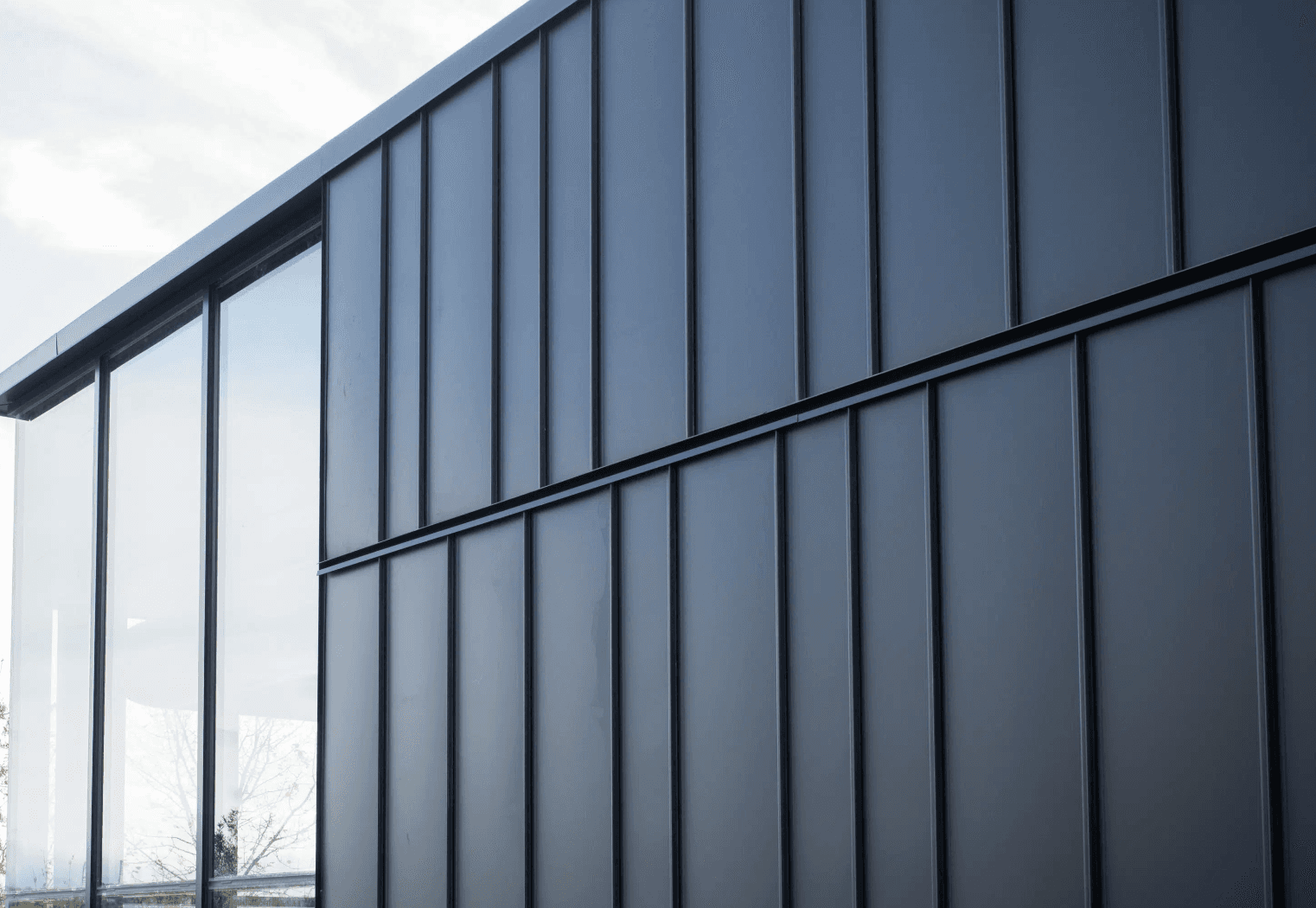
This review examines ribbed vertical metal wall systems — products such as Westform ProLok, MAC Architectural MS1, and wall-applied standing seam profiles — which have become increasingly visible across Squamish and Whistler over the past decade.
You’ll find them on contemporary custom homes in the Highlands, on renovated façades in Valleycliffe seeking a reset that suits the Box-style framing, and as accent elevations on modern multi-panel builds. They tend to be finished in grayscale palettes — iron ore, charcoal, matte black, or white — and they project a distinctly modern sensibility that leans industrial rather domestic warmth.
These systems are compelling precisely because they are controlled. They do not attempt to feel nostalgic or handcrafted. They remove ornament, introduce repetition, and sharpen form. Whether that is desirable depends almost entirely on the architectural context in which they are placed — that is, on the home and the homeowner.
Before discussing durability or envelope logic, it is worth acknowledging that ribbed metal is fundamentally a design decision, and its success or failure is usually aesthetic long before it is technical.
2. A Brief Lineage: From Standing Seam Roofing to Architectural Wall Panels
Ribbed vertical metal wall systems trace their lineage directly to traditional standing seam roofing, where long sheets of metal were mechanically seamed together on site, concealing fasteners within folded joints that provided both water resistance and structural integrity.
In that earlier context, the seam was purely functional. Over time, as standing seam roofing became associated with both agricultural and high-end architectural applications, the vertical rib acquired aesthetic meaning. When the profile migrated from roof to wall, the seam ceased to be merely technical and became decorative.
Modern wall systems such as ProLok and MS1 industrialize and refine that lineage. The hidden fastening remains, but it is now paired with precision finishes and consistent rib spacing that read as architectural rather than craft.
The appeal of these products in contemporary renovation lies partly in this heritage. They carry a nod to traditional seam work while presenting as refined, repeatable, and restrained.
3. What Ribbed Vertical Metal Actually Does in Design Terms
Although ribbed metal performs the basic function of cladding — shedding bulk water and protecting the underlying assembly — its most immediate impact is visual.
First, it imposes rhythm. The repeated vertical ribs create a measured cadence across the façade that organizes otherwise flat surfaces.
Second, it elongates perceived height. Vertical lines draw the eye upward, subtly altering proportions and emphasizing form.
Third, it removes decorative hierarchy. Trim becomes minimal, corners become sharper, and the façade reads as surface and shadow rather than layered ornament.
On a simple rectangular volume, these qualities often feel deliberate and cohesive. On a house already defined by multiple jogs, decorative brackets, and varied siding profiles, the same ribbing can feel jarring. Metal is inherently reductive; it’s at home on clean expanses.
4. Distinctions Within the Category
While these systems are often grouped together, the differences between profiles are subtle but meaningful. In all cases, install requires discipline from the team. The crispness of the seam amplifies any misalignment in substrate preparation, and panel layout must be coordinated carefully with window placement and corner transitions.
True Standing Seam Wall Applications
Standing seam adapted for vertical wall use tends to have tall, crisp seams and pronounced shadow lines. The spacing between ribs is often 12 or 16 inches. Visually, it retains the strongest architectural lineage and reads masculine and modern.
ProLok and Similar Interlocking Systems
ProLok-style systems typically feature similar rib spacing, but the seam is not longer hand-folded created more stability in the final appearance. On larger façades or modern renovations seeking clarity, ProLok is often a slightly more refined and elegant choice than standing seam.
They are sometimes a touch more forgiving visually because of the prerolled seam, though there is no more margin structurally, when substrate conditions are less than ideal.
MS1 and Sleeker Architectural Profiles
Profiles such as MS1 emphasize refinement, with precise seams and elegant surface finishes that read particularly well in matte charcoal or iron ore tones. These panels often feel the most contemporary, especially when paired with simplified trim and large-format glazing.
They also demand the most coordination around openings, as the tighter geometry leaves little room for improvisation.
Corrugated Panels
Many of the multifamily projects in downtown Squamish, as well as the new industrial builds on Government Road are utilized corrugated panels. These are not ribbed like the above selections, but they maintain a highly textured vertical product with many of the same pros and cons of the other offerings in this product category.
On the spectrum of industrial to sleek, they are amorphous: corrugated panels amplify their surroundings, pulling the design further in the direction of its other elements: you can make a barn, a Box Modern custom home, or a West Coast Codern Exterior Remodel all work with corrugated panels.
Emerging Random-Width Systems
One of the more interesting developments in this category is the emergence of random-width ribbed systems, which break the strict cadence of evenly spaced panels. By varying panel widths across the façade, these systems introduce subtle movement without abandoning verticality.
When carefully composed, random-width profiles soften the industrial repetition and can feel more nuanced, especially in residential contexts where homeowners want modern restraint without austerity. When applied without planning, however, the variation can appear accidental rather than intentional.
These feel hip and modern, and whether or not they will be a part of the Timeless Design catalogue is yet to be seen, so they still feel like riskier choice best reserved for courageous or confident homeowners.
5. Where Ribbed Vertical Metal Excels
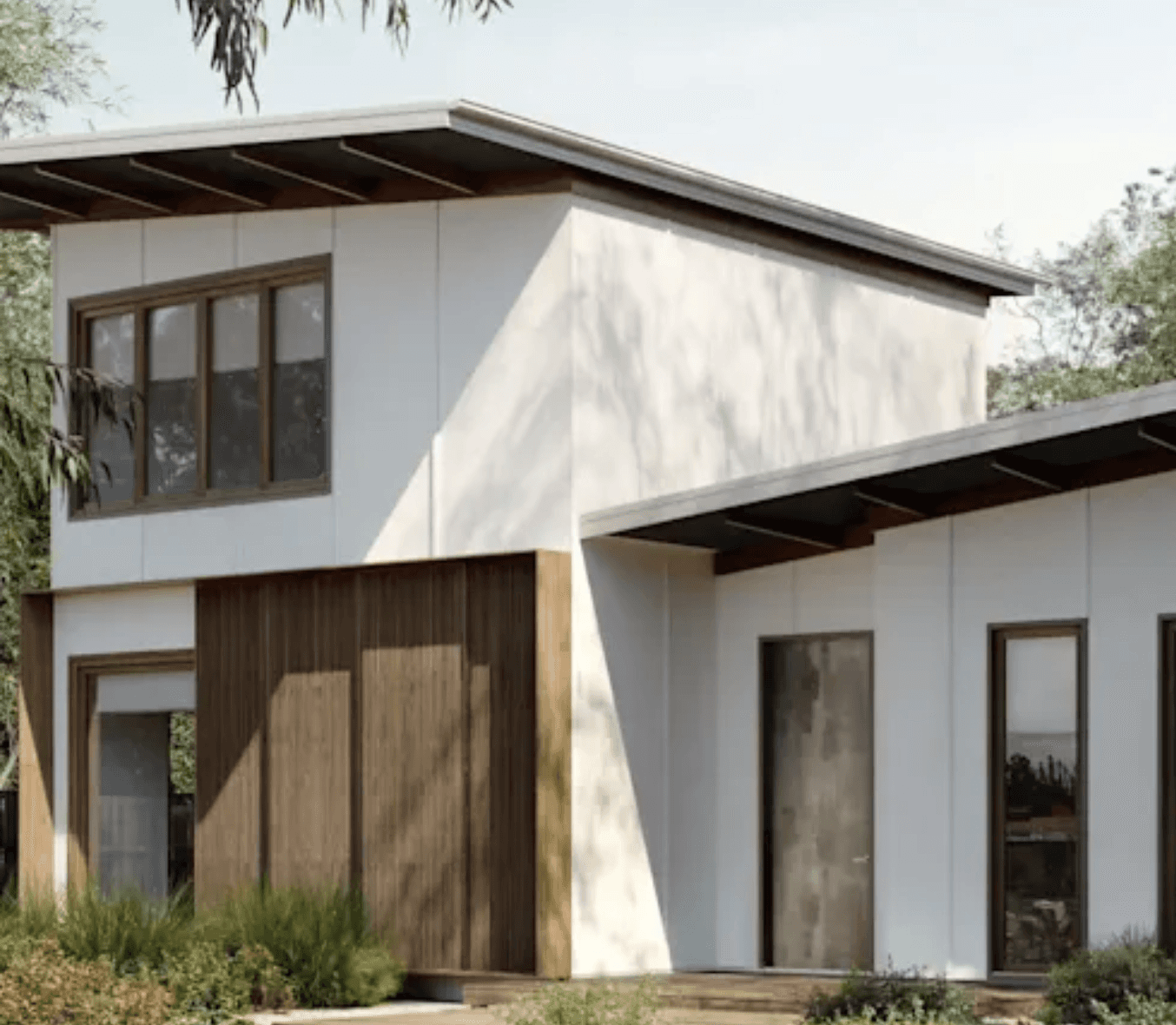
Ribbed vertical metal performs most convincingly on homes with simple geometry, such as flat-roofed volumes or restrained gable forms where long, uninterrupted planes allow the rhythm to develop fully.
It is particularly effective in grayscale palettes, where shadow and proportion take precedence over colour. Black and iron ore finishes emphasize depth and seam articulation, while matte white flattens the surface and highlights alignment precision.
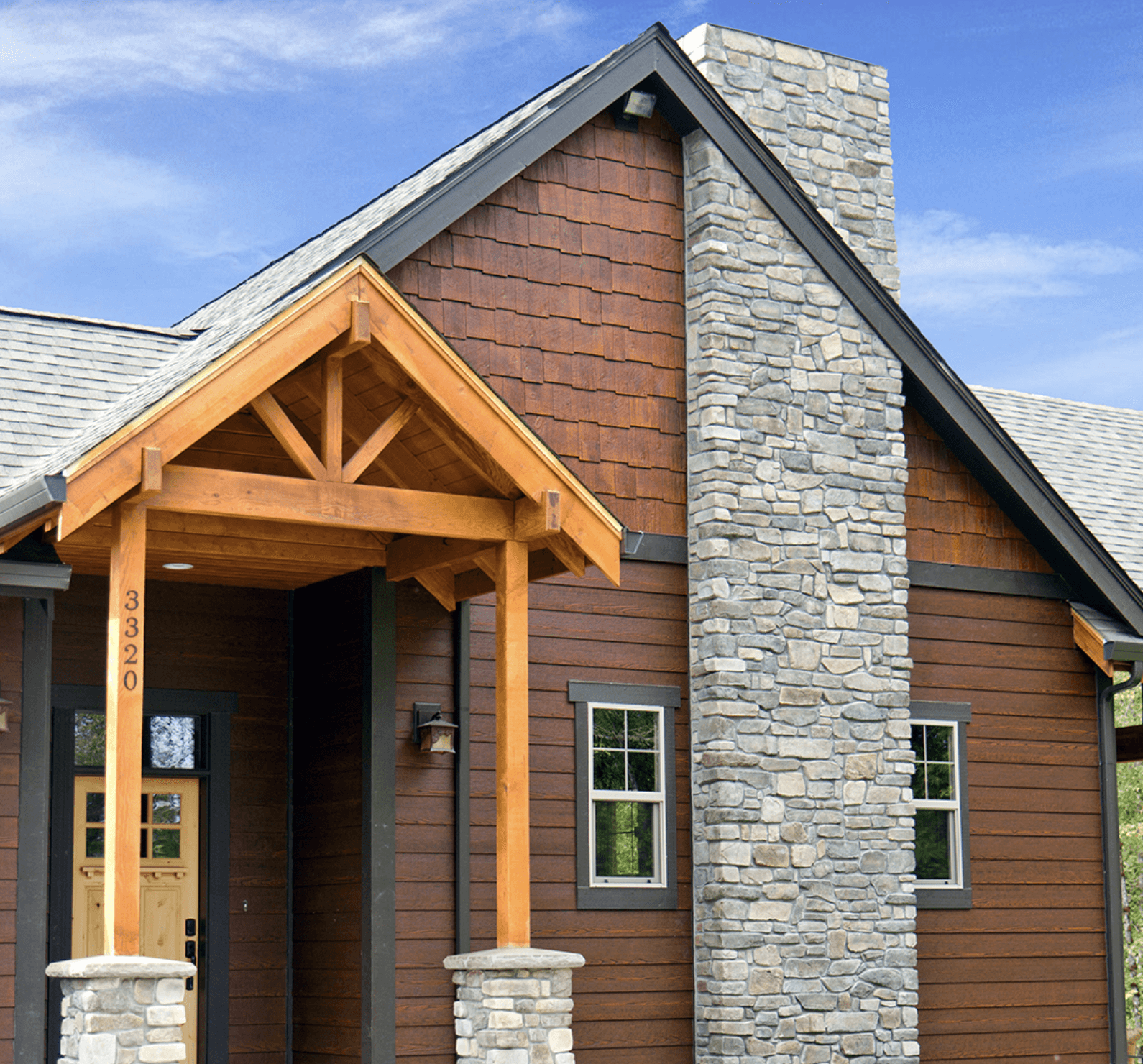
It also pairs well as an accent against wood. The contrast between warm cedar and cool metal often creates a controlled tension that feels considered rather than ornamental.
On renovations that intentionally shift a home’s architectural language toward contemporary modernism, ribbed metal can anchor that transition.
6. Where It Becomes Visually Difficult
The most common design misstep with ribbed metal is not technical but geometric.
Houses with frequent jogs, short wall returns, and complex roof intersections interrupt the vertical rhythm. Each interruption requires termination details that add visual density. Over time, the disciplined repetition that makes the product appealing becomes fragmented.
Windows present another challenge. Because the ribs establish spacing, window placement ideally respects that module. When seams land awkwardly at window edges or ribs are cut inconsistently around openings, the façade begins to feel unresolved.
Substrate preparation is equally critical. Metal reflects light differently than wood or fiber cement, and even minor irregularities in framing can telegraph through the surface — this is called ‘oil canning’. Fiber cement tends to absorb minor inconsistencies; metal highlights them.
Finally, ribbed vertical metal does not easily harmonize with deeply traditional trim hierarchies. On craftsman-style homes with layered mouldings and decorative brackets, it is probably not the right choice.
7. Compared to Other Materials
When compared to fiber cement, ribbed metal is less adaptable. Fiber cement can operate comfortably in both traditional and contemporary contexts and often feels neutral. Metal, by contrast, is quite assertive.
Compared to wood, metal sacrifices warmth in favour of precision. Wood introduces grain, texture, and variation over time. Metal maintains tonal consistency and sharpness.
Compared to flat panel metal, ribbed systems provide rhythm and shadow. Flat panels (mirroring the commercial Alucabond) can feel corporate or inert on residential façades, whereas ribbing introduces necessary depth.
8. Cost and Planning Considerations
Ribbed vertical metal typically occupies a mid-to-high cost tier in Sea-to-Sky renovations. Material pricing reflects factory finishes and engineered systems, but labour often represents the larger portion of installed cost due to precision layout, flashing integration, and seam coordination.
Costs increase significantly when panel runs are short, when geometry is complex, or when substrate correction is required. Projects tend to proceed more predictably when panel layout is drawn before ordering and when material delivery aligns with demolition sequencing.
Because panel lengths are often ordered to specification, early design decisions reduce the likelihood of mid-project adjustments.
9. When I Recommend It — and When I Pause
I am most inclined to specify ribbed vertical metal when the home’s geometry is simple, the design language is clearly contemporary, and the panel rhythm can align cleanly with window placement.
I hesitate when the home relies heavily on ornamental trim, when budget constraints limit proper wall preparation, or when the desired aesthetic is explicitly warm and craft-oriented.
Metal rewards decisiveness. It is less successful when it attempts to compromise between architectural languages, although corrugated panels can be a good bridge in some homes.
10. Practical Considerations for Squamish Homeowners
If you are considering ribbed vertical metal in Squamish or Whistler, it is worth reflecting on whether your home’s geometry supports long, uninterrupted planes, whether your taste leans toward modern restraint, and whether panel layout has been coordinated intentionally with openings.
These conversations, particularly when held as on ongoing dialgoue through the preconstruction process, tend to produce clearer outcomes and reduce mid-install reinterpretation by the active crew.
Frequently Asked Questions: Ribbed Vertical Metal in Squamish
Is ribbed vertical metal a good choice for homes in Squamish?
Ribbed vertical metal can be an appropriate choice in Squamish when the home’s geometry supports long, uninterrupted planes and the architectural language leans contemporary. In the Sea-to-Sky climate, it performs reliably when installed over a properly detailed rainscreen assembly, but its success is often more aesthetic than technical. Homes with simplified massing and restrained trim tend to accommodate it more comfortably than highly articulated or traditional façades.
How does ribbed metal compare to fiber cement siding?
Fiber cement is generally more adaptable across architectural styles, particularly in neighborhoods where craftsman or transitional detailing is common. Ribbed metal, by contrast, introduces a stronger visual stance and reads as more modern and industrial. It emphasizes rhythm and verticality, whereas fiber cement can operate more quietly within both traditional and contemporary contexts. The decision is typically about architectural intent rather than durability alone, although metal is generally lower maintenance and more durable. Consider Board and Batten fiber cement builds if you are comparing the two.
Does ribbed vertical metal make a home feel colder?
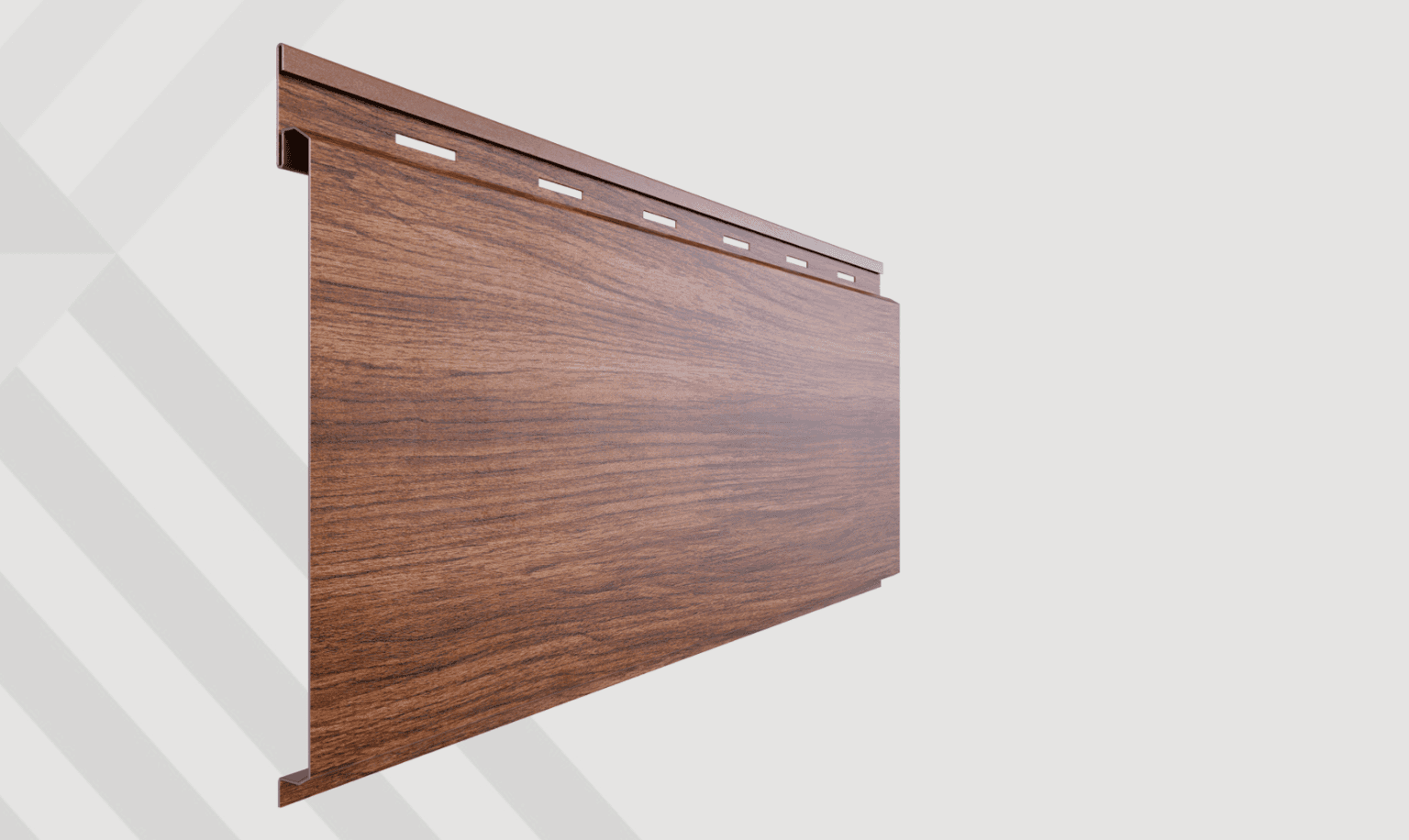
In grayscale palettes such as black, iron ore, or matte white, ribbed metal can feel cooler in tone compared to wood or shingle-style cladding. This is not inherently negative; many homeowners prefer that restraint. However, when warmth and texture are central to the desired character of the home, pairing metal with wood or limiting it to accent planes often produces a more balanced result. Warmer woodgrain metals are increasingly common, but don't pair well with vertical ribs.
Are standing seam and ProLok-style panels the same thing?
While both fall under the category of ribbed vertical metal, traditional standing seam profiles tend to have narrower seams and a more architectural lineage tied to roofing systems. ProLok and similar interlocking systems often present slightly more refined facades. The visual differences are subtle but noticeable, particularly around window placement and corner detailing.
Does ribbed metal work on older 1980s or 1990s Squamish homes?
It can, particularly when the renovation involves simplifying trim hierarchy and clarifying the overall architectural direction. However, if the home retains complex rooflines, multiple jogs, and traditional detailing, ribbed metal may require more design adjustment and a full remodelling scope (e.g. soffit and fascia) to feel integrated.
Is ribbed metal more expensive than other siding options?
In Squamish, ribbed vertical metal generally sits in a mid-to-high cost tier once labour and detailing are included. The material itself is not inexpensive, but precise installation, flashing integration, and substrate preparation often represent a significant portion of total cost.
What should I confirm before committing to ribbed vertical metal?
Homeowners should clarify how panel spacing aligns with window placement, whether the substrate will be corrected for flatness, how corner and termination details will be handled, and whether the overall design language supports a more industrial aesthetic. These decisions are best addressed before demolition begins, as panel lengths and seam rhythm influence the entire façade composition.